
Where to get a Florida VIN verification and how to use HSMV 82042
A used car being titled in Florida for the first time generally needs a physical VIN verification. Ask your office whether it will inspect the vehicle or wants verification completed by an authorized person on HSMV 82042, the title application or another accepted form.
Prepare the Florida title and registration visit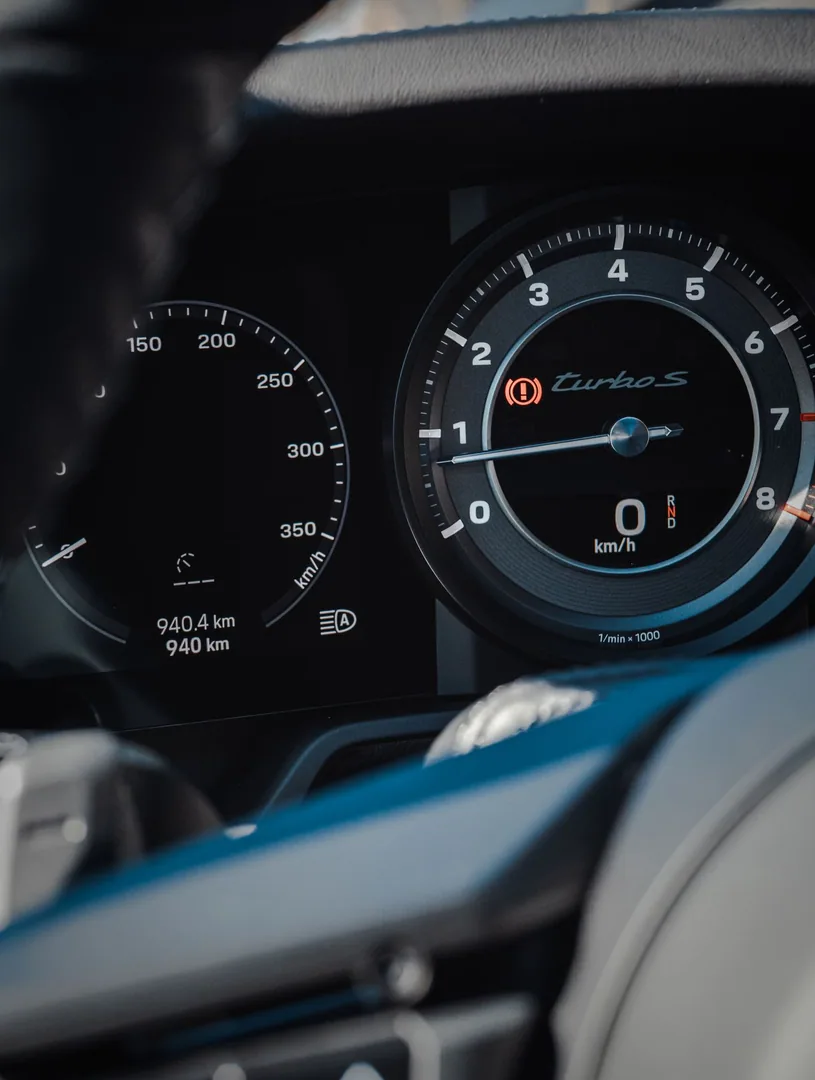
Find out whether your transaction needs a VIN check
Start with the vehicle’s title history. The ordinary case is a used car currently titled outside Florida that you are bringing into the Florida title system. Whether you bought it yesterday or have owned it for years, the office may need to match the car itself to its ownership record before issuing the original Florida title. A seller can confirm its history by showing the title and supporting registration. Read the actual issuing jurisdiction and confirm whether a Florida title already exists. The location of the seller and the location of the last title do not always match.
A standard change of ownership using an existing Florida title is a different transaction. The usual first-Florida-title inspection is also unnecessary for a qualifying new motor vehicle. Ask about the exact case if a seller describes a car as new while its papers show a previous title, or if the vehicle is a trailer, reconstructed car or import. Florida’s statute lists exceptions for particular categories, including trailers and semitrailers below the specified weight and certain recreational trailer types. Use the actual documented vehicle classification when asking the office what is required.
| Vehicle history | Typical verification path | What to confirm |
|---|---|---|
| Used car on an out-of-state title | Physical verification normally required | Which form and verifier your agency accepts |
| Used car on an existing Florida title | Ordinary transfer uses Florida title procedure | Any unusual title or VIN issue |
| New motor vehicle | Statutory exception to ordinary verification | Original manufacturer’s certificate and title history |
| Imported or rebuilt vehicle | Special handling may apply | Agency and inspection type before moving the car |
Know what an authorized verifier will inspect
For a typical passenger car, HSMV 82042 calls for physical inspection of the vehicle identification numbers at the windshield and in the door jamb. The owner should compare both with the ownership document and record the characters accurately. Buyer paperwork, registration and insurance evidence should refer to that same vehicle. If one number is hard to read, look at the manufacturer’s documentation for where it is located and ask the verifier to examine it in person. Clean ordinary dirt if needed for visibility. Leave any suspect label, plate or fastener undisturbed.
The VIN verification identifies the car for the title application. An online history report can help a buyer look into brands and prior events. A mechanic can inspect its condition and roadworthiness. Each answers a separate question, and the government verification form has its own signature requirements. Arrange a mechanical inspection independently if you are evaluating a purchase. Also distinguish the actual VIN from an inventory number, engine serial number or short identifier on a dealer listing. Older cars may use a different identification format. The form gives separate instructions for vehicles manufactured before 1955.
Choose a verifier and ask what to bring
The FLHSMV form and title procedure identify several people who can complete physical verification. These include eligible tax collector or Division of Motorist Services personnel, a law enforcement officer, a military police officer, a licensed Florida vehicle dealer and a notary commissioned in Florida. A law enforcement agency or dealership may choose whether to offer this service to the public. Ask before showing up. Tell them the precise form and title purpose and explain where the car is currently located if it cannot be driven.
A branch listed as a tax collector office may offer numerous services at different locations. Call the specific branch and ask whether it performs VIN inspections and whether it requires a booked title appointment, accessible parking or a separate inspection time. Palm Beach County, for example, describes bringing the vehicle for verification subject to conditions or having the relevant section of the title application completed. Save your branch’s procedure with the appointment confirmation. If you have not moved yet, ask your Florida office what it accepts for verification by law enforcement outside Florida and arrange it while the car is legally available there.
- Confirm the verifier’s role and location.
- Ask whether the owner, seller or both must attend for your chosen route.
- Ask what credentials, signatures and dates must appear on the form.
- Confirm opening hours, appointment type and whether the car must be accessible.
Complete the owner and odometer portion
Download a fresh copy from FLHSMV before completing Part A of HSMV 82042. This records the owner’s physical inspection, the car’s details and the odometer information. Check year, make, body, color and prior title state against the documents. Record the odometer as requested by the form and pay attention to units and the date of the reading. Read the mileage certification choices before signing. This is especially important when the odometer has been replaced, displays kilometers, has exceeded its mechanical limits or disagrees with prior records. Ask the office what disclosure it expects for an unusual mileage history.
Florida law and TL-10 also describe a sworn seller-and-buyer statement route, and TL-10 identifies the applicable title application verification section as another possible way to record the verification. If you hope to use one of those methods, describe your case to the receiving office and get its directions while you can still reach the seller. Follow the form’s exact signature instructions for your route. Keep multiple blank copies available in case you write down a digit incorrectly or need a different form. The owner should physically inspect the car before attesting to what it shows.
When you bought the car recently, distinguish the mileage disclosed at the sale from the reading for your application. If you drove several hundred miles home, the current display may properly differ from the title assignment. The sale record should remain as completed for the sale. TL-09 explains how Florida uses a current odometer reading when an owner moves from outside Florida with a title already in their name, and separately discusses errors or missing readings on another state’s title. Ask for the correct route if the existing title was wrong when it was issued. Bring the original evidence and any document the prior state provided to explain the record.
Have the authorized person complete their section
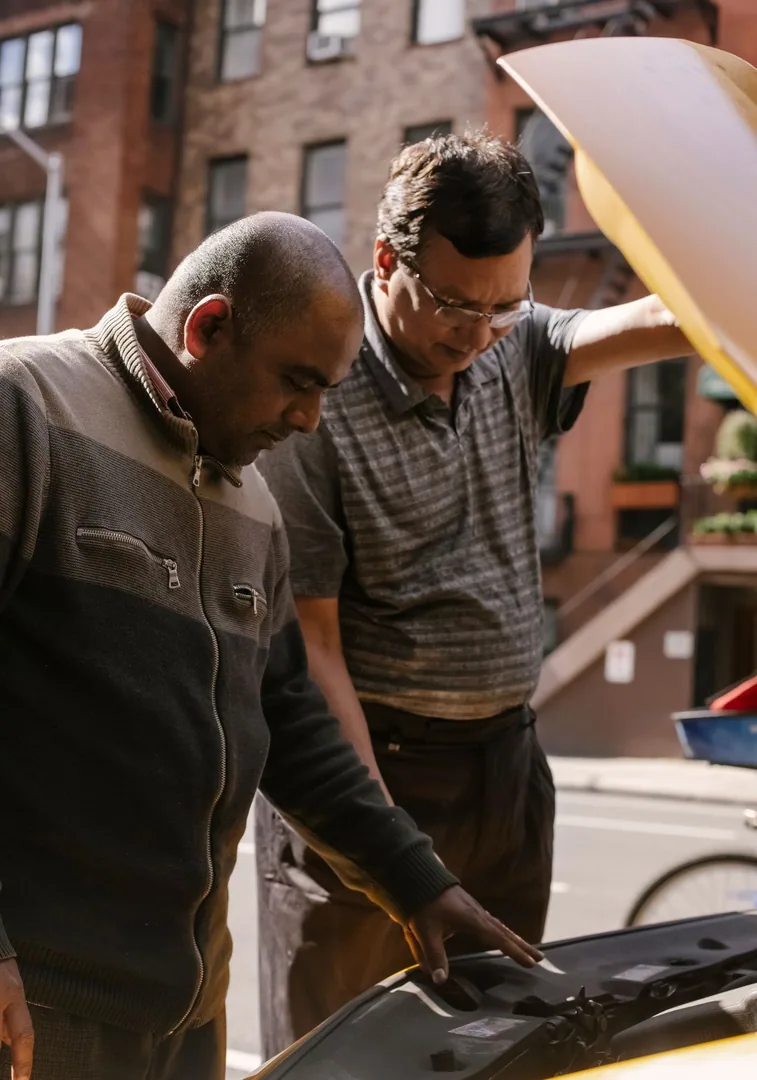
Set up the visit so the verifier can actually inspect both VIN locations and compare them with the evidence. Bring the ownership document and a fresh verification form, as well as identification and any other items they requested. On the form, an authorized verifier records the date and required role information and signs their verification. A Florida notary uses the notary fields and seal where the form calls for it. If the branch verifies directly as part of the title visit, ask whether it wants you to bring a separate copy or use the verification section on the motor vehicle title application.
Before leaving the verifier, check the form for missing signatures, obvious mismatched numbers or unanswered role fields. Avoid modifying entries made by someone else. The form warns that alterations or erasures may make it invalid. An otherwise complete title application can be held if the verification is unreadable or has a blank field that the agency needs to identify the verifier. Carry the original accepted document and, if useful for your records, a reference copy. Ask the receiving office which document it keeps and whether an appointment note will remain available to you after the visit.
| Check | On the car | On the paperwork |
|---|---|---|
| Identity | VIN at the required physical locations | Same characters on the form and title evidence |
| Mileage | Reading and units on the odometer | Date, mileage disclosure and correct status |
| Verifier | Physical inspection of the vehicle | Signature and required verifier details |
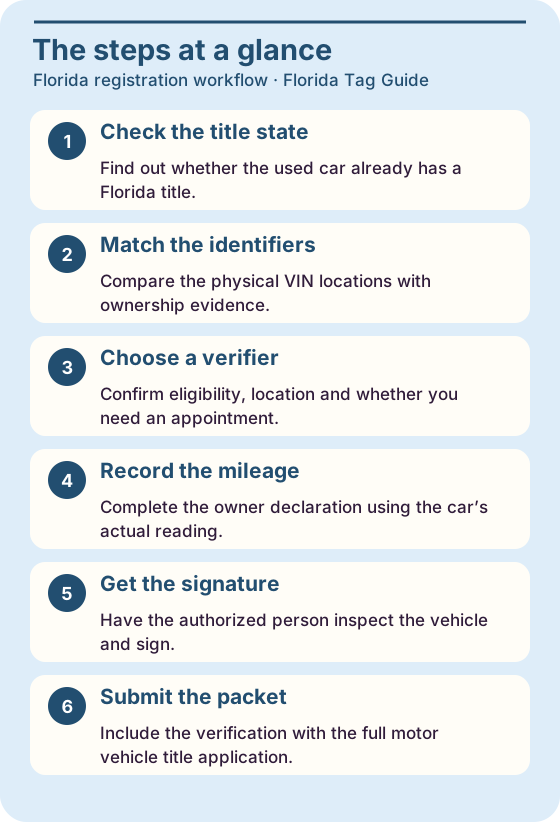
Read the steps as text
- Check the title state Find out whether the used car already has a Florida title.
- Match the identifiers Compare the physical VIN locations with ownership evidence.
- Choose a verifier Confirm eligibility, location and whether you need an appointment.
- Record the mileage Complete the owner declaration using the car’s actual reading.
- Get the signature Have the authorized person inspect the vehicle and sign.
- Submit the packet Include the verification with the full motor vehicle title application.
Arrange verification when the vehicle cannot be driven
A new resident may have an expired out-of-state registration or a car delivered on a carrier. Confirm the vehicle’s current operating authority before planning to drive it to an office. A verifier may be able to inspect the parked car where it is lawfully stored. Check what access they need and who must be present. Another option is arranging transport to a site that performs checks. If considering a temporary registration for inspection, ask the agency about eligibility before travel. Florida has a specific temporary-tag purpose for VIN verification and inspection, subject to approval and documents.
If you are buying a used vehicle in another state, decide who will have the original title and when the car will be accessible. Give a verifier the actual vehicle rather than trying to complete the form from pictures sent by the seller. When an out-of-state trip and Florida appointment are close together, create a fallback day in case the title arrives late or the chosen verifier is unavailable. The interstate purchasing guide covers the separate travel and title steps. Pair it with the temporary tag guide if an inspection permit is relevant.

Escalate a VIN mismatch before applying
If a single character is different, first compare the original documents and physical labels again in good light. Look for an honest transcription error, but let the government office determine the appropriate correction. If the problem is on an out-of-state title, ask whether its issuer must provide a correction. For missing, damaged or inconsistent physical identifiers, ask the county or regional FLHSMV office who handles the issue. Keep documentation from earlier repairs or ownership transfers if it helps the official understand why the discrepancy appeared.
If the seller presents a car with altered-looking identifiers, missing proof of ownership or a title that lists a different vehicle, halt the purchase until the relevant authority clarifies it. A duplicate printout of the incorrect document does not resolve a mismatch. Avoid accepting an offer to have somebody sign off without inspecting the car. A legitimate title application depends on reliable evidence connecting the correct vehicle to the owner. If you already paid, secure your contract and receipts, communicate through documented channels and ask the responsible official agency how to proceed.
Work through a move with a used car and a clear title
A person moving from Ohio to Broward brings a car they have owned for two years and already has the paper title in their name. They compare the windshield and door identifiers with the title and insurance details while gathering evidence of prior use. They ask whether their chosen county branch will handle VIN verification at the appointment. If the branch does not, they arrange another authorized signer and confirm what to bring. They set the first appointment for a day when they will have both the car and the original ownership document.
On the day of the appointment the owner reviews the odometer reading, includes Florida insurance evidence and brings the completed verification or makes the vehicle available for the branch. They file for title and registration in the correct name. The owner retains a copy of the receipt, asks when to expect the resulting title and verifies the plate registration before operating. A lender-held Ohio title would add a separate request to the lienholder and a county decision about acceptable interim evidence. The VIN inspection is still one part of the visit, so the owner checks the lender’s timeline before locking in the appointment.
Put the verification in the full title packet
The verified VIN supports your title request, along with proof of ownership, valid identification and the other items the county lists. Organize those alongside any applicable Florida insurance evidence, lender paperwork, prior registration and tax receipts. Ask whether the office has any additional requirement for an out-of-state document, recent purchase or title subject to a lien. An ordinary VIN check can be completed while you wait for other documents, but schedule the trip when all the dependencies line up. Write down who will deliver each piece of evidence if someone else is responsible.
For a standard passenger car moving to Florida, use the out-of-state registration visit planner to estimate the fee categories and collect the county’s official link. Have the chosen branch confirm which vehicle service it offers. The plan helps identify outstanding items before you drive across town. At the end of the visit, compare the VIN on the accepted application and registration with what is on the car. Keep your paperwork in a place where you can retrieve it if the title or a follow-up notice arrives later.
Frequently asked questions
Can an out-of-state officer verify a Florida VIN?
Florida’s title statute and TL-10 describe law enforcement officers from another state as an eligible verifier in the ordinary procedure. Check the Florida office’s instructions and the special procedure for a car with an unusual title or import status.
Can I verify the car by sending pictures?
The ordinary form requires physical examination. Photos are useful for asking an office a question, but arrange for the authorized verifier to inspect the vehicle itself.
Is HSMV 82042 always the only option?
FLHSMV’s TL-10 procedure also describes the applicable section of HSMV 82040 MV and a sworn statement route. Confirm the accepted method before the appointment.
Where do I submit HSMV 82042?
Include it with your Florida motor vehicle title application at the tax collector or appropriate license plate agency. Use the branch that handles your particular title transaction.
What if a new car is coming from another state?
The ordinary first-title verification exception covers new motor vehicles. Ask the office about your ownership evidence if the car has already been titled or the purchase documents conflict.
Official sources
- FLHSMV HSMV 82042 VIN and odometer verification form and instructions
- FLHSMV original Florida title procedure and authorized VIN verification routes
- Florida Statutes 319.23 on first Florida titles and verification exceptions
- FLHSMV odometer disclosure procedure TL-09
- Orange County Tax Collector used out-of-state vehicle instructions
- Palm Beach County title and in-person verification directions
- Miami-Dade Tax Collector new-resident and imported-vehicle verification directions